
Protecting Bats from White Nose Syndrome: What You Can Do
White nose syndrome is a deadly disease that has devastated bat populations in North America. In order to protect bats from this disease, it is important to take a few simple steps to prevent its spread. First and foremost, it is important to decontaminate clothing and equipment used in bat habitats. This includes washing clothing […]
5 Signs That You Have a Wildlife Problem
If you think you might have a wildlife problem in your home or on your property, it is important to address the issue as soon as possible. Wild animals can cause damage to your home, spread diseases, and create safety hazards. Here are five signs that you may have a wildlife problem: If you notice […]
Raccoon Roundworm
Raccoon roundworm is a parasitic infection that can be transmitted to humans and other animals through contact with raccoon feces. While not all raccoons carry the roundworm, it is common enough that it is important to be aware of the risks and how to prevent infection. In this blog post, we will discuss raccoon roundworm […]
Interesting Facts About Bats
Bats are fascinating creatures that are often misunderstood. These nocturnal mammals are important to the environment and play a crucial role in pollination and pest control. Here are some interesting facts about bats: Bats are the only mammals that can fly – Unlike other mammals, such as flying squirrels or gliding possums, bats are the […]
A Closer Look at Raccoons: How These Mischievous Creatures See the World
Raccoons are interesting creatures that are known for their mischievous behavior and their distinctive black and white masks. But have you ever wondered how raccoons see the world? Raccoons have excellent vision, which helps them navigate their environment and find food. Their eyes are located on the front of their head, giving them binocular vision […]
A Closer Look at Raccoons: How These Mischievous Creatures See the World
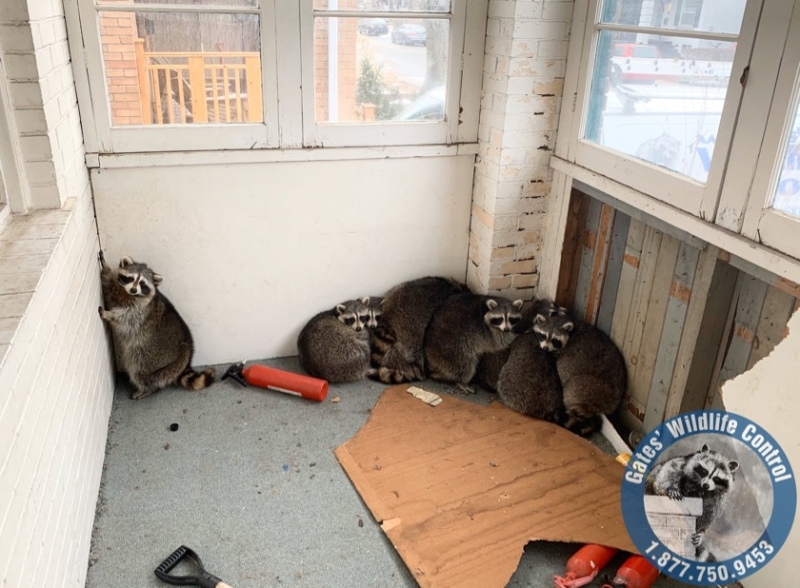
Raccoons are interesting creatures that are known for their mischievous behavior and their distinctive black and white masks. But have you ever wondered how raccoons see the world? Raccoons have excellent vision, which helps them navigate their environment and find food. Their eyes are located on the front of their head, giving them binocular vision […]
The Threat of White Nose Syndrome: Protecting Canada’s Bat Populations
White nose syndrome is a deadly disease that has decimated bat populations in North America. The disease is caused by a fungus, Pseudogymnoascus destructans, which infects the skin of bats, including their wings and nose. This can cause severe damage to their tissues, leading to dehydration and death. White nose syndrome was first identified in […]
Winter Adaptations: The Survival Strategies of Bats
Bats are often associated with warm, summer evenings, but did you know that they also have to adapt to the cold winter months? Like many other animals, bats have a variety of strategies for surviving the winter season. One of the most common strategies for bats is to migrate to warmer regions. Many species of […]
Winter Survival: The Adaptations of Skunks
Skunks are a common sight in many parts of Canada, known for their distinctive black and white coloring and their ability to spray a powerful odor to deter predators. But what do skunks do during the winter months? Do they hibernate like some other animals, or do they continue to be active throughout the cold […]
The Winter Dining Habits of Raccoons: Why They Eat More Leading Up to Colder Months
Raccoons are known for their adaptability and their ability to survive in a variety of environments. In the wild, raccoons are opportunistic eaters and will consume a wide range of food sources, including plants, insects, and small animals. However, during the winter months, raccoons have to adapt to survive in colder weather and may need […]